Future Expansion
NPT Development
Past History
Future Expansion
The Nickel Plate Trail continues to grow, supported by strong community backing and an expanding statewide network.
McGrawsville to Converse — The MAC Trail
- ~13 miles of new trail planned
- $3.6 million in secured funding
- Additional grants in progress
Converse to the Cardinal Greenway
- Creates a 120+ mile connected corridor
- Major boost to tourism and cycling
Bunker Hill to Grissom Air Museum
- Adds a major destination to the trail
Long-Term Vision
- Connection to Panhandle Pathway
- Part of Great American Rail-Trail
NPT Development
Nickel Plate Trail Development Timeline
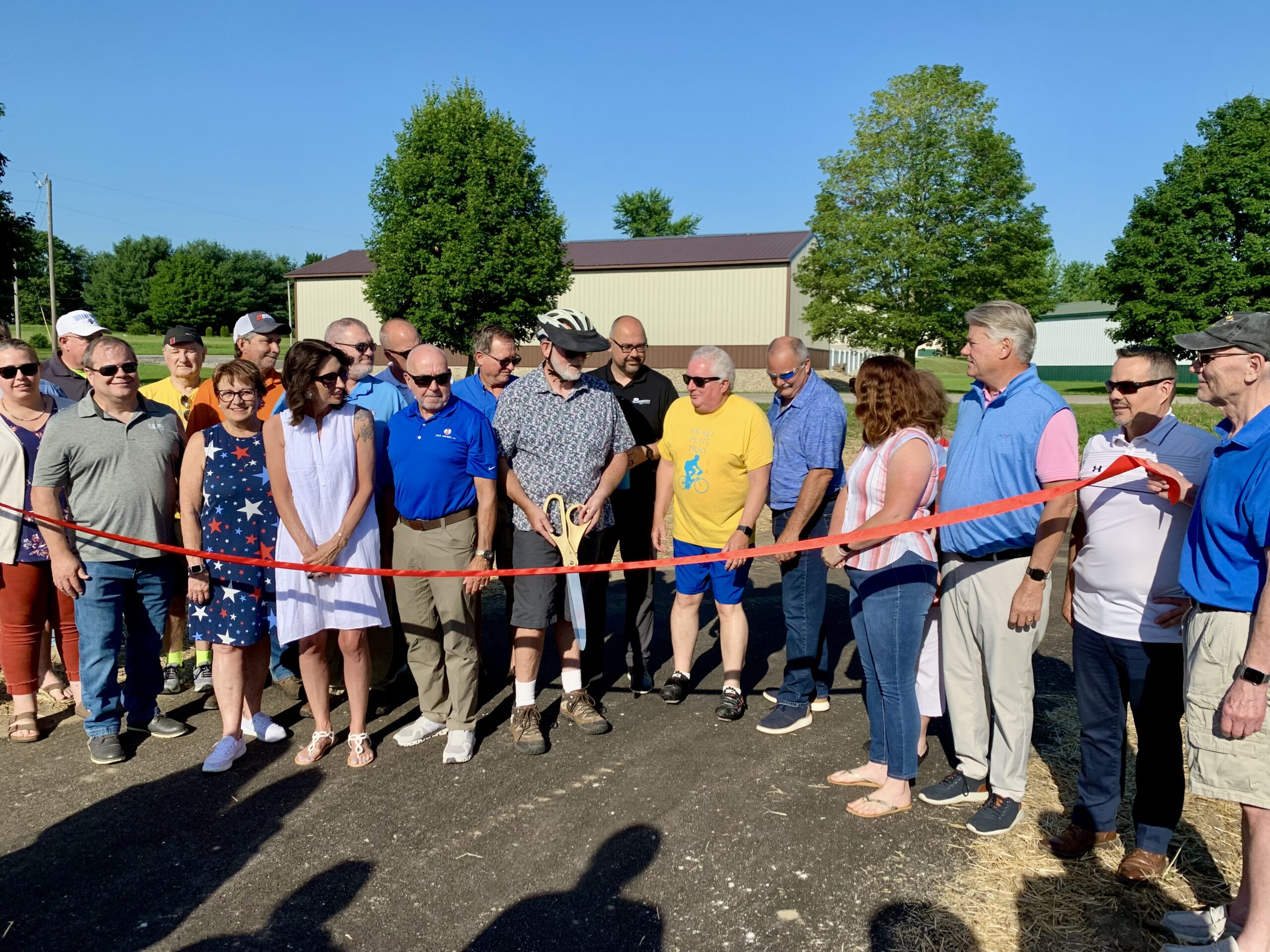
April 25, 2026 – Miami Central (MAC) Trail opens
MAC Trail expansion continues to grow the regional network.
2025 – Rochester connection completed
Completion of the Rochester segment marked a fully connected corridor from Kokomo to Rochester.
2020s – National Trail Network Designations
- Incorporated into Great American Rail-Trail, American Discovery Trail, and U.S. Bicycle Route 35
- Recognized as a corridor of regional and national significance
Late 2010s–Early 2020s – Continuity & User Experience Improvements
- Improved routing through Peru, upgraded crossings, surfaces, and signage
- Focused on seamless navigation across counties
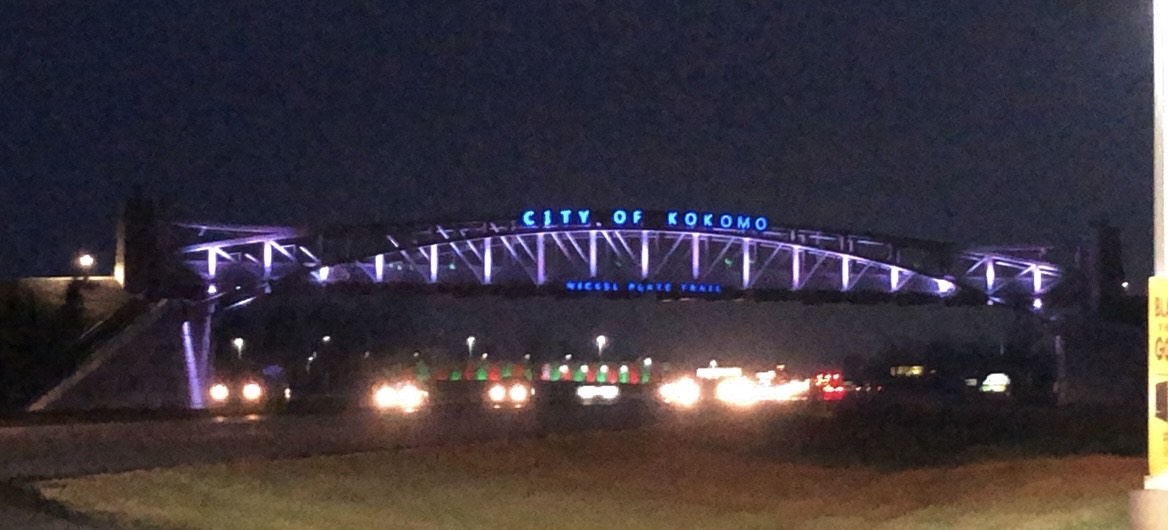
2018 – Kokomo urban connection completed
The pedestrian trail bridge over SR 931 in Kokomo — a key urban connection linking the trail into the city.
Mid-2010s – Functional Multi-Community Corridor Emerges
- First continuous travel between Rochester → Peru → Kokomo
- Recognized as a significant regional greenway
2010s–2020s – Miami Central (MAC) Trail Development
- Developed corridor between Bunker Hill and McGrawsville, signaling growth into an interconnected trail system
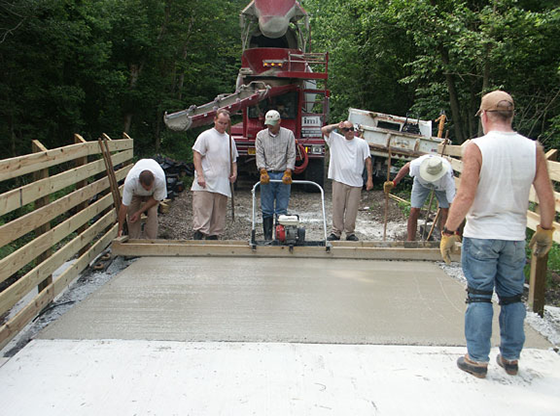
2000s–2010s – Grassroots trail development
Early volunteer efforts helped transform the railroad corridor into a public trail.
Early 2000s – First Trail Segments Open to the Public
- Shifted preserved rail corridor to public use
- Marked the corridor’s transition into an active community asset
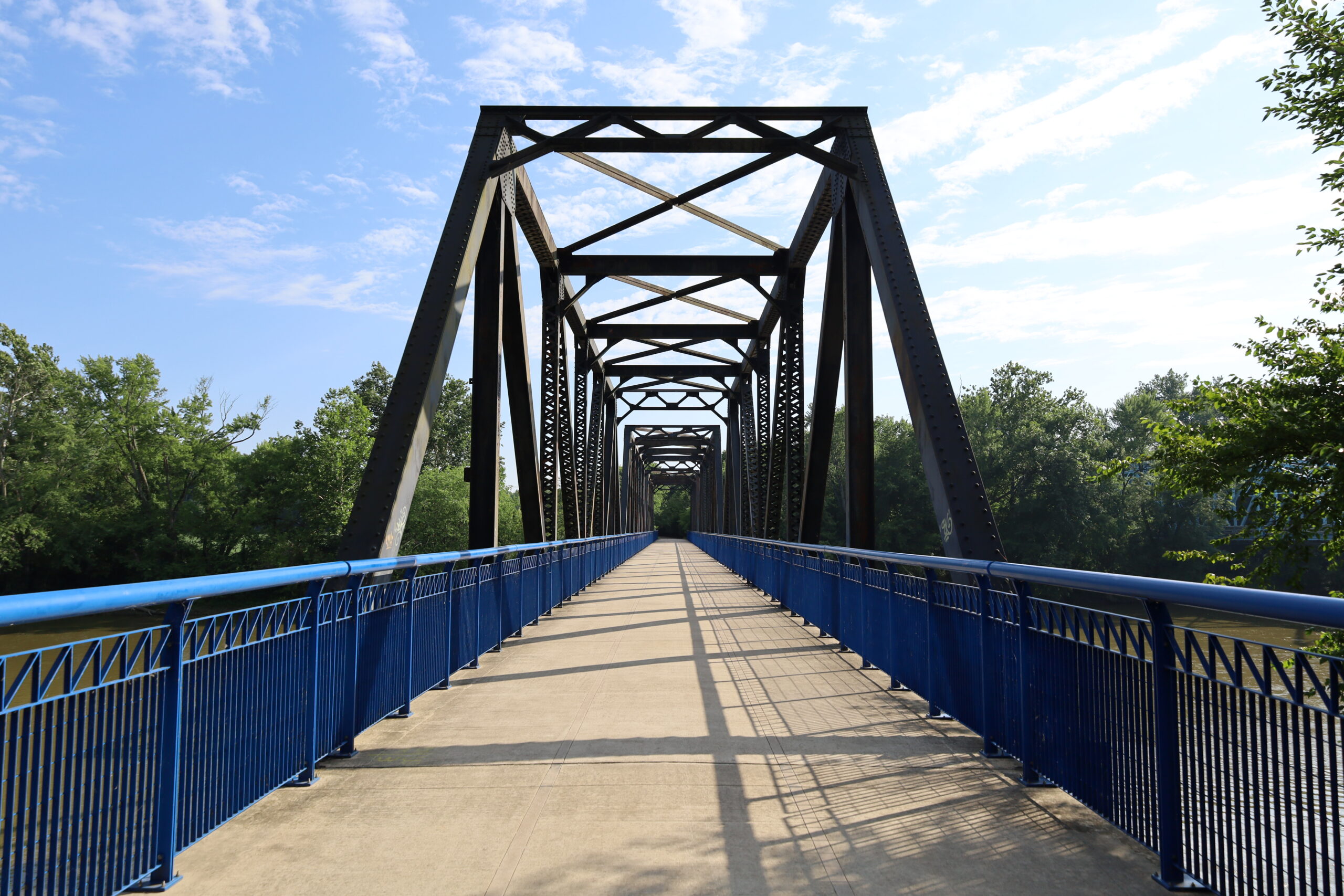
2004 – Wabash River Bridge opens in Peru
The Nickel Plate Trail crossing of the Wabash River in Peru — one of the earliest major infrastructure milestones.
1999 – Railbanking & Corridor Preservation
- Corridor acquired and preserved via Indiana Trails Fund, enabling future trail development
Past History
Nickel Plate Road History
- Pre-1999 – Operated as part of the historic Nickel Plate Road system
- 1964 – Sold to Norfolk & Western
- 1920s – Becomes Nickel Plate Railroad
- 1887 – Sold to Lake Erie & Western
- 1864 – Extension to Michigan City
- 1853 – First Train Arrives in Peru
- 1851 – Line built and operated
- 1846 – Peru and Indianapolis Chartered

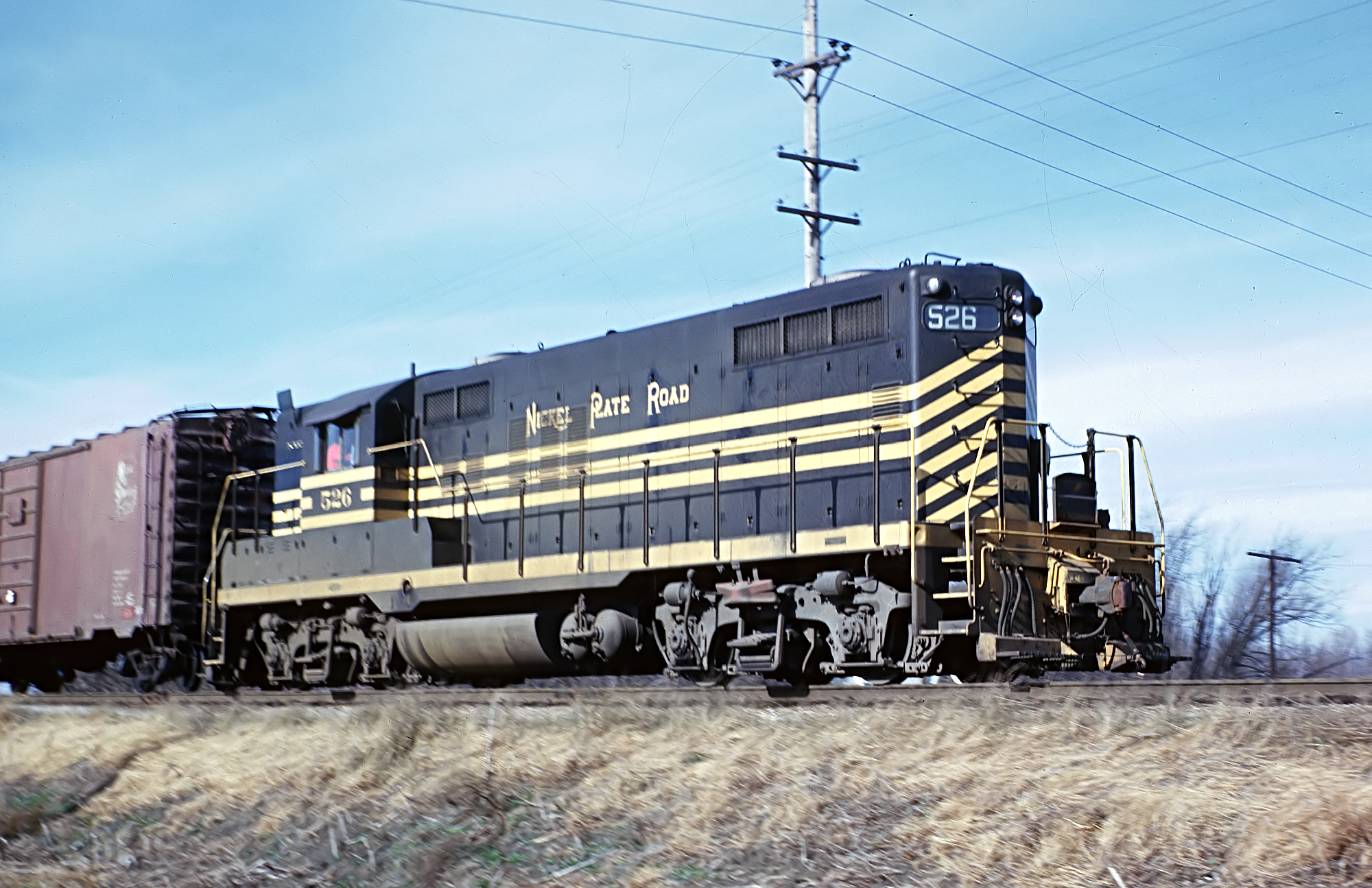
Historic steam locomotive of the New York, Chicago & St. Louis Railroad — known as the Nickel Plate Road.